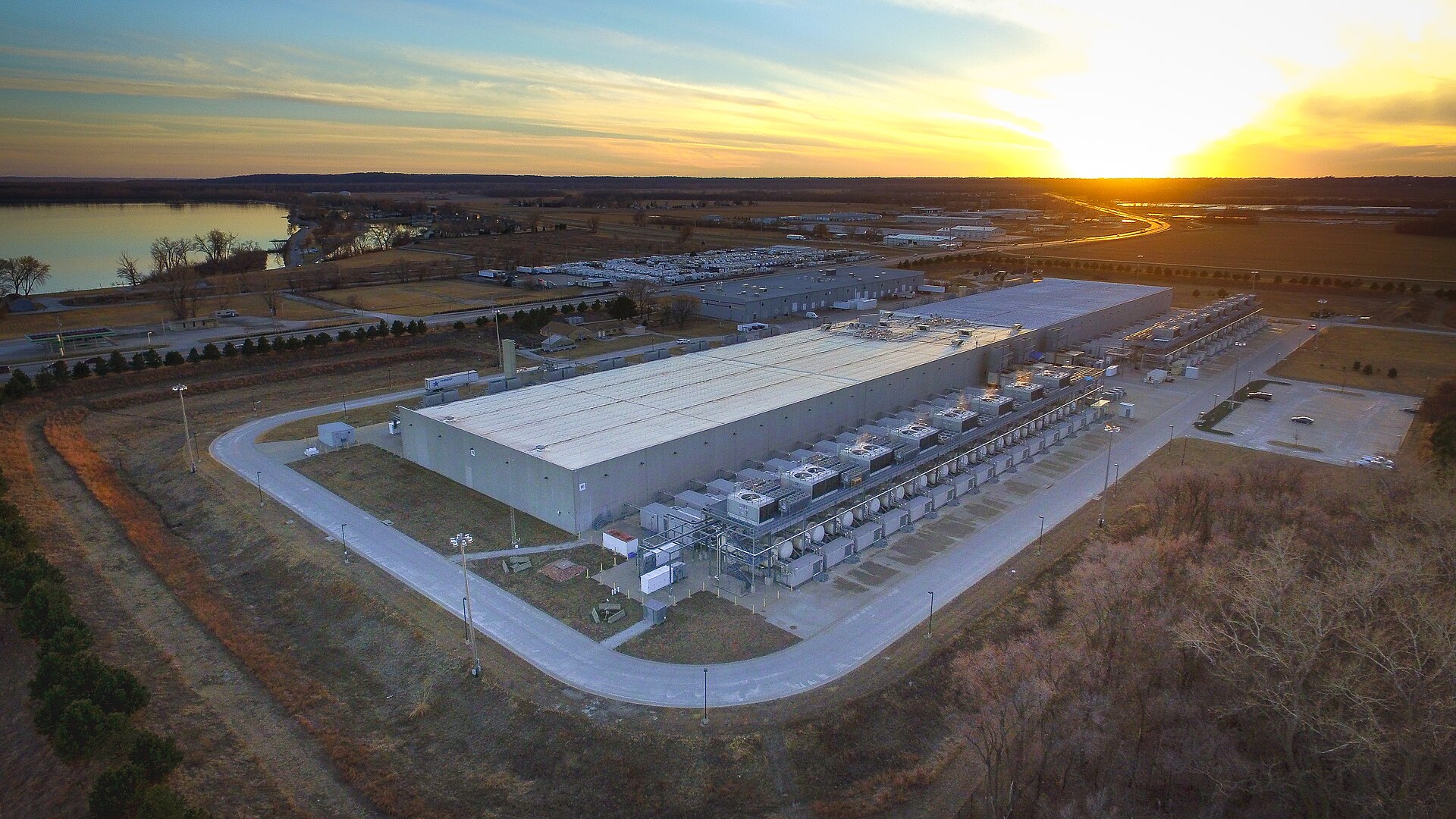
OpenAI has signed a six-year agreement with cloud provider TensorWave for 457 megawatts of dedicated AI capacity, according to the companies’ announcement this week. The deal is unusual less for its size than for what sits underneath it: AMD Instinct MI455X accelerators and Helios rack-scale systems rather than the Nvidia hardware that has anchored most frontier training clusters.
Capacity is expected to begin coming online in the first half of 2027, with the full footprint deployed across several US data center sites by the end of that year.
A second supply chain, not a replacement
The megawatt figure is the part of the announcement designed for headlines, but the engineering detail matters more. Single-tenant capacity means OpenAI controls the scheduling layer, the networking fabric and the power envelope end to end. That is a different arrangement from renting generic cloud instances, and it is the arrangement large model developers have been moving toward for two years.
The strategic logic is straightforward. Inference demand has become the dominant cost line for consumer AI products, and any operator at OpenAI’s scale needs at least two credible accelerator vendors to negotiate pricing and to absorb supply shocks. AMD’s rack-scale systems are the only realistic second source available in volume for 2027 delivery.
The memory question
The timing collides with a worsening memory market. DRAM and high-bandwidth memory allocations are reported to be sold out well into next year, and system builders have warned that capacity, not cash, will determine who can deploy. A 457MW commitment is therefore also a memory commitment, negotiated years ahead of delivery.
TensorWave’s pitch to customers has been that it buys infrastructure in bulk and sells it as a service, absorbing that procurement risk. Whether it can hold to a 2027 schedule depends on allocations it does not fully control.
What to watch
Two numbers will decide whether this deal reads as a diversification success or a footnote. The first is the delivered megawatt count at the end of 2027. The second is the price per token OpenAI can achieve on AMD silicon compared with its Nvidia fleet; if the gap stays wide, multi-vendor strategy remains a hedge rather than an economic advantage.