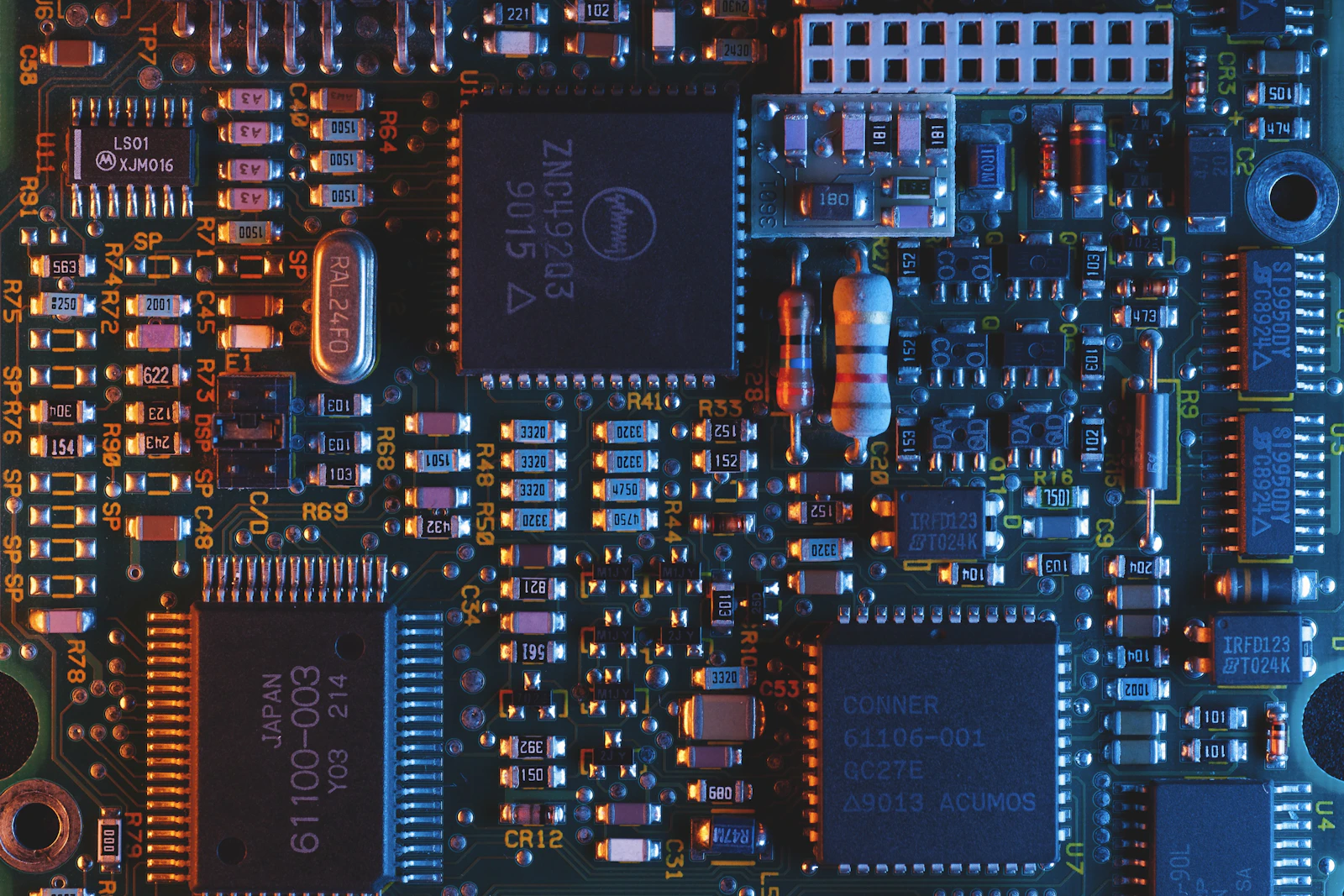
Rapidus is considering pushing back the start of 2nm mass production by roughly a year, according to reporting from Japan’s Jiji Press this week. The state-backed foundry had targeted the second half of fiscal 2027 for commercial output; the revised schedule would move it into fiscal 2028, which runs from April 2028 to March 2029.
The reported cause is technical rather than financial. Rapidus has struggled with the integration steps that connect transistors to one another and to the surrounding interconnect, and yields remain below the level needed for commercial production.
The bet was always aggressive
Rapidus was formed in 2022 by a consortium including Toyota, Sony, NTT and SoftBank with a deliberately ambitious plan: skip the intermediate nodes and go from 40nm-class work directly to 2nm, using a technology partnership with IBM. The company said in 2025 that it had produced a prototype transistor.
A prototype is a long way from a production line. Every advanced node is a chain of hundreds of process steps, and the hard part is not demonstrating any single one. It is making all of them work together, repeatedly, at high yield, on 300mm wafers.
Why the delay matters beyond one company
Japan has committed substantial public money to rebuilding leading-edge manufacturing, and Rapidus is the vehicle for that ambition. A one-year slip is not fatal; the concern raised by market observers is that TSMC, Samsung and Intel are all moving on 2nm and below at the same time. Late entrants face a customer base that has already qualified its designs elsewhere.
Rapidus’s realistic path is a narrow one: a small number of high-value customers, likely in AI accelerators or custom logic, who need a second source outside Taiwan and are willing to pay for it.
The yield question
No revised yield figures have been published. That number, more than any schedule, will determine whether Rapidus becomes a foundry or a cautionary tale. If yields are climbing quarter over quarter, a 2029 start is a delay. If they have plateaued, the project’s economics change entirely.