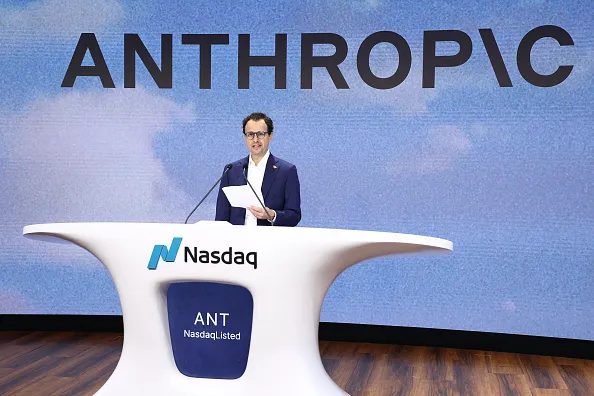
Anthropic’s shares slipped beneath the $83 price set at its recent IPO, touching $76 by mid‑day on Tuesday. The decline, coming just days after the company’s Nasdaq debut at $111.50, has reignited debate over how public markets value fast‑growing AI firms.
Market reaction
The stock opened the week at a comfortable premium to its offering price, but by Tuesday it had fallen almost 12 % from Monday’s close, trading as low as $76 per share. Such a move is often interpreted as a warning sign because underwriters typically price offerings at a modest discount to the level they expect the market to sustain. The dip in Anthropic’s price coincided with a broader pull‑back in AI‑related equities; Nvidia, which had surged more than 30 % the previous day after Jensen Huang’s reinstatement as chief executive, gave back over 7 % by midday. Analysts noted that the simultaneous weakness suggested a short‑term reassessment of risk appetite for high‑growth, capital‑intensive AI businesses.
Potential impact on private valuations
The immediate concern for venture capitalists and founders is the knock‑on effect on private‑market valuations. Anthropic’s public debut was closely watched as a proxy for how investors might price later‑stage AI startups that are still privately held. A sustained period of sub‑IPO trading could pressure founders to accept lower valuations in subsequent funding rounds, as investors recalibrate expectations of exit multiples. Moreover, the prospect of a less enthusiastic public market may deter other AI firms from pursuing IPOs in the near term, opting instead for extended private financing or strategic acquisitions. The timing is critical, as many AI companies are seeking to capitalise on the sector’s rapid expansion before market conditions tighten.
Wider AI sector sentiment
Beyond the numbers, the episode reflects a broader mood among investors who are balancing enthusiasm for generative‑model breakthroughs with caution over profitability and cash burn. Venture capitalists have repeatedly warned that the “AI hype cycle” could give way to more disciplined scrutiny, particularly as regulatory scrutiny intensifies and macro‑economic headwinds persist. While the long‑term growth narrative for AI remains compelling, the Anthropic dip underscores that public markets still demand clear pathways to revenue and sustainable margins. For now, the episode serves as a barometer: a reminder that even well‑funded, high‑profile AI firms are not immune to the volatility that can accompany rapid sector expansion.