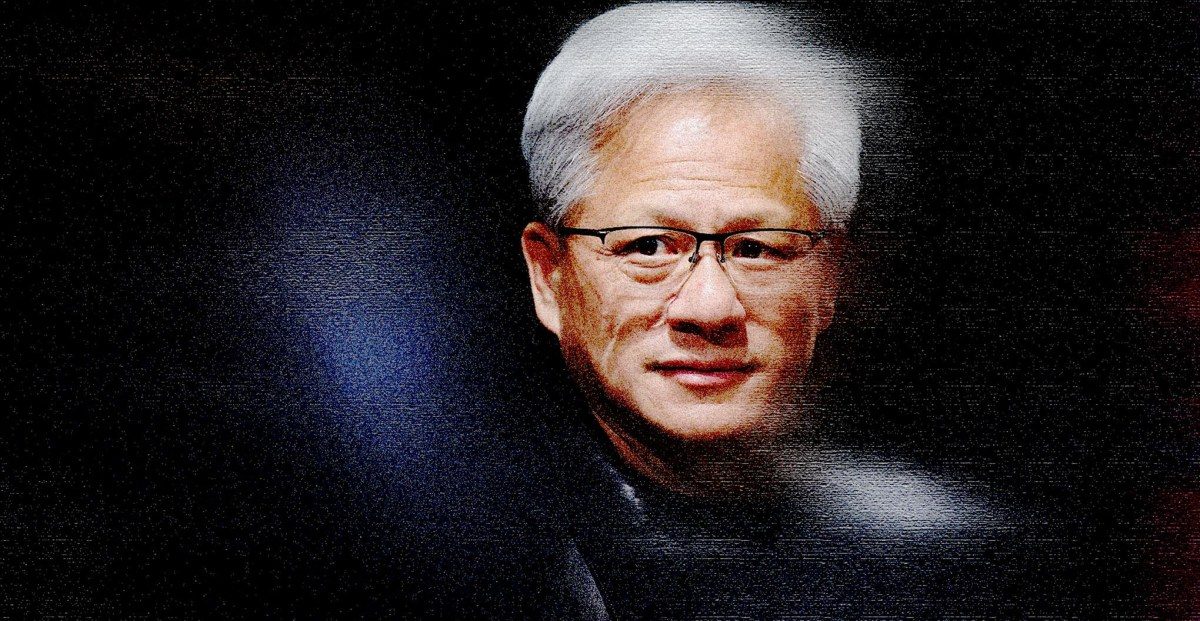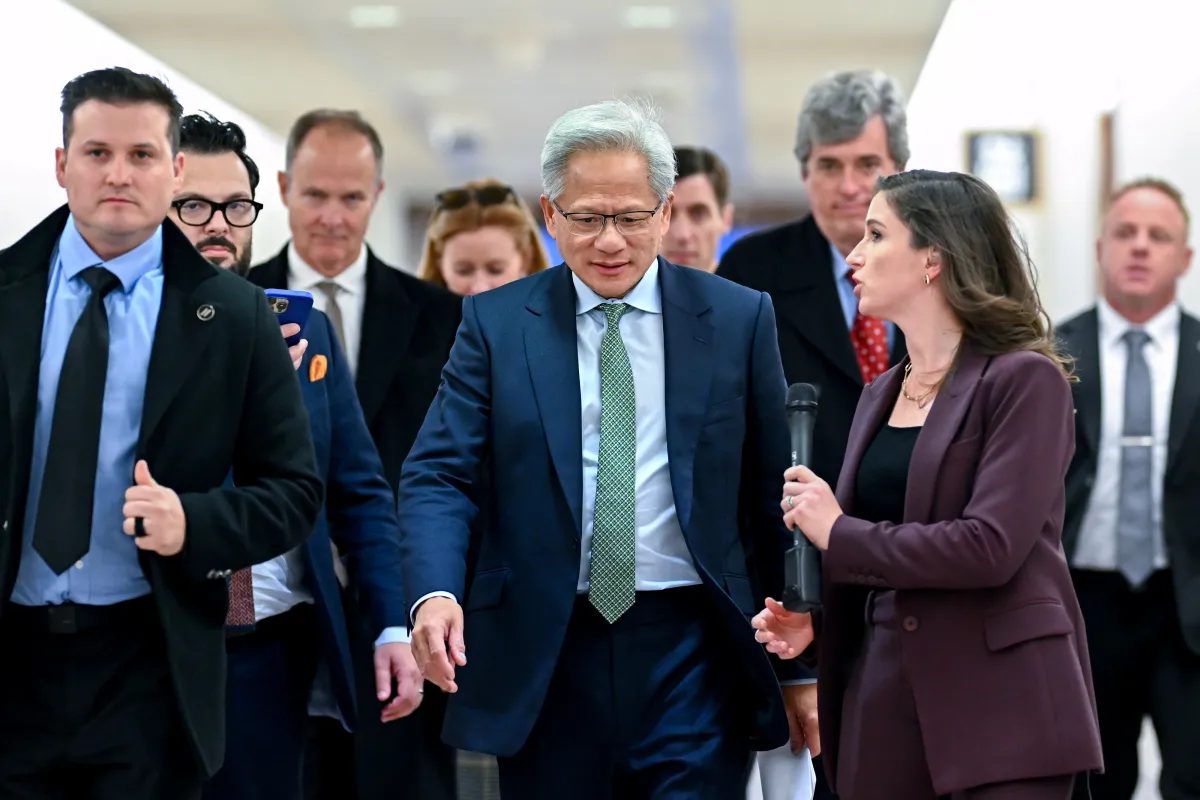
Jensen Huang’s return to the helm of Nvidia has not quieted the scrutiny surrounding the company’s export‑control compliance. Investigators continue to probe whether advanced GPUs sold to Singapore‑based data‑centre operator Megaspeed were diverted to China, and whether Huang’s personal relationship with a Megaspeed executive compromised the firm’s internal assurances.
The Megaspeed probe and alleged chip diversion
US authorities opened an inquiry into Megaspeed in 2024 after receiving tip‑offs that the firm’s purchases of Nvidia GPUs for data‑centre projects in Malaysia might have been rerouted to China, contravening export rules designed to curb the development of frontier AI models. Singapore launched a parallel investigation in 2025, while Megaspeed has consistently denied any wrongdoing. Export‑control lawyers note that chip diversion is a routine risk for high‑performance silicon vendors, but companies must retain reliable evidence that end users respect licensing conditions.
Legal pressure from multiple fronts
The investigation has attracted attention from several US bodies. Attorney General Todd Blanche has publicly suggested Nvidia is not the target of a criminal probe, yet he declined to comment on the ongoing Justice Department case against Megaspeed. Simultaneously, California Attorney General Rob Bonta and the Securities & Exchange Commission are examining Nvidia’s corporate disclosures, particularly the decision to stop breaking out Singapore‑related export data after media reports raised diversion concerns. Congressional committees from both parties have scheduled private interviews with Huang and Nvidia’s chief legal officer, Tim Teter, and the Senate Banking Committee will hold a public hearing on 3 December.
Board dynamics and political input
Nvidia’s board voted to reinstate Huang on the basis of “input from senior levels of the United States government”, a claim that former President Donald Trump later said he personally conveyed. The board’s concern, as reported by the Wall Street Journal, was that Huang might have possessed knowledge about Megaspeed’s activities that was not reflected in formal compliance statements. The alleged affair between Jensen Huang and Megaspeed executive Alice Huang – who, together with her husband Kang Wei, is said to have been part of a network funneling chips to a Shanghai‑based entity – adds a layer of personal conflict to the corporate governance debate.
Outlook for Nvidia’s compliance programme
In response to the heightened scrutiny, Nvidia announced it will cease licensing chips to China and will create a dedicated compliance officer role alongside a new board committee focused on export controls. The US Treasury’s recent addition of Megaspeed and its affiliates to a restricted‑trade list, together with fresh rules barring large data centres that buy US chips from serving customers in China, signal a tightening regulatory environment. While the company positions itself as a “good corporate citizen”, the convergence of criminal, civil and congressional investigations means that answers to the core questions – what Nvidia knew about the end‑use of its chips and whether personal relationships impaired that knowledge – remain pending.
The coming weeks will test Nvidia’s ability to demonstrate robust compliance while navigating political pressures and the broader geopolitical contest over AI‑enabled hardware.